
Google begins to roll out Android 13 stable versions to eligible mobiles. The Stable version is for all, including regular users. So, When you are a Developer or Advanced user, You may be using the Beta version of Android 13. Migrating from Beta to the Stable version is a bit complicated. When you don’t do the proper steps, You may lose data. You must follow the methods below to Opt-Out of Android 13 Beta in Google Pixel Mobiles and Install Stable Update. Google will also roll out Beta versions and continue for the next update. But when you want to return to the stable version, You can do it.
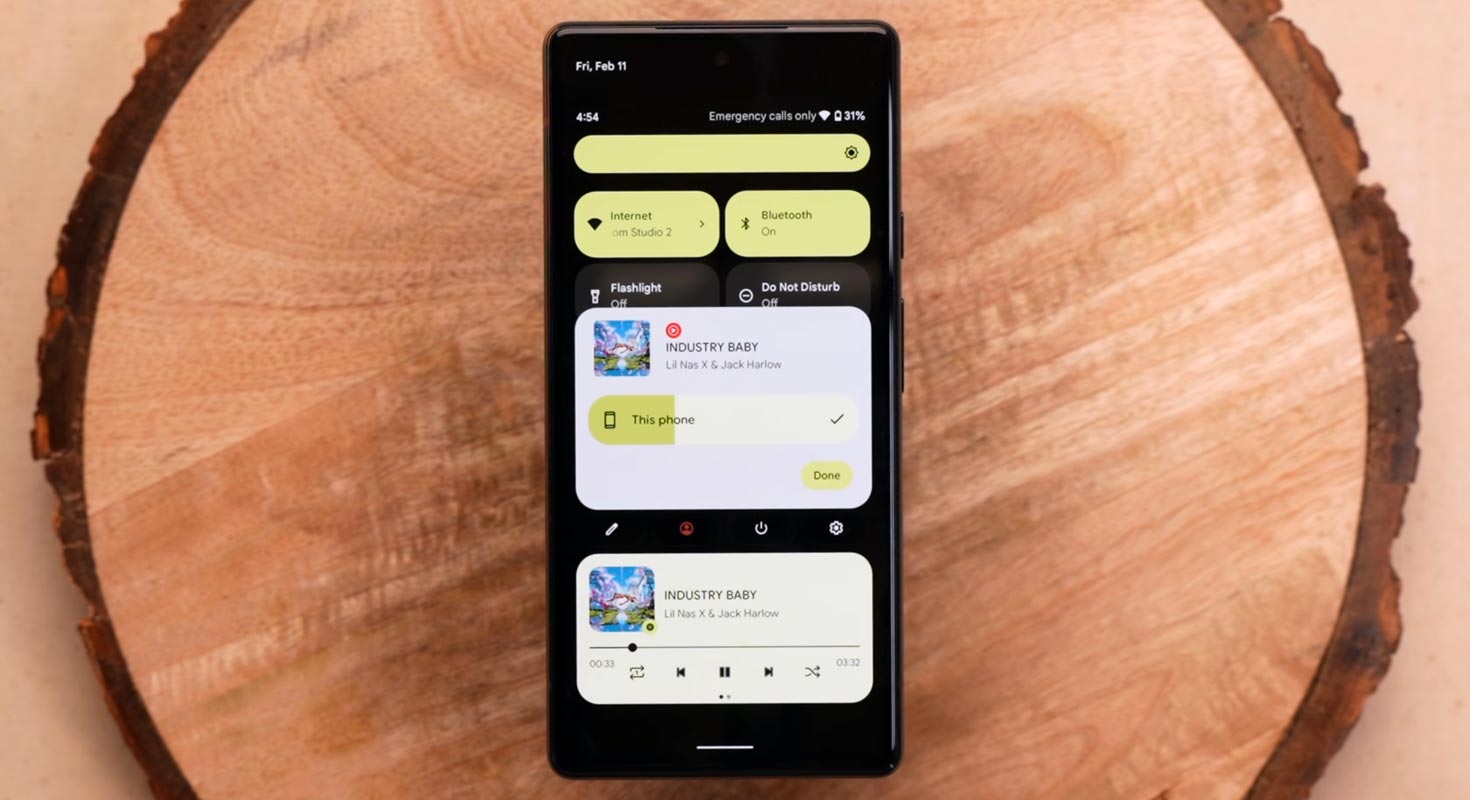
Opt-Out Android 13 Beta in Google Pixel Mobiles and Install Stable Update
Version stable of Android 13 starts rolling out to Pixel phones this morning, and users who are part of the Android Beta Program can unenroll their devices once they have installed the update.
It is important to note: If you choose to exit Beta and switch to the public track stable version of Android 13, you can opt-out with no wiping of the device. Update the current Android 13 release and then unsubscribe before installing the initial Android 13 QPR beta update in September. This will ensure that your device is not wiped when you opt out.

People running Android 13 Beta 4.1 will receive a tiny OTA (31.96MB on the Pixel 6 Pro) to the stable version. After downloading and installing that update (final build numbers listed below), you’ll visit google.com/android/beta, find your phone, and click “Opt-out.”
- 220624.014: Pixel 4/4 XL/5/5a
- 220624.021: Pixel 6 and 6 Pro
- 220624.021.A1 Pixel 6a
Supporting Versions
- Pixel 4/ 4 XL
- Pixel 4a/4a 5G
- Pixel 5
- Pixel 5a
- Pixel 6/Pro
Step-by-Step Instructions
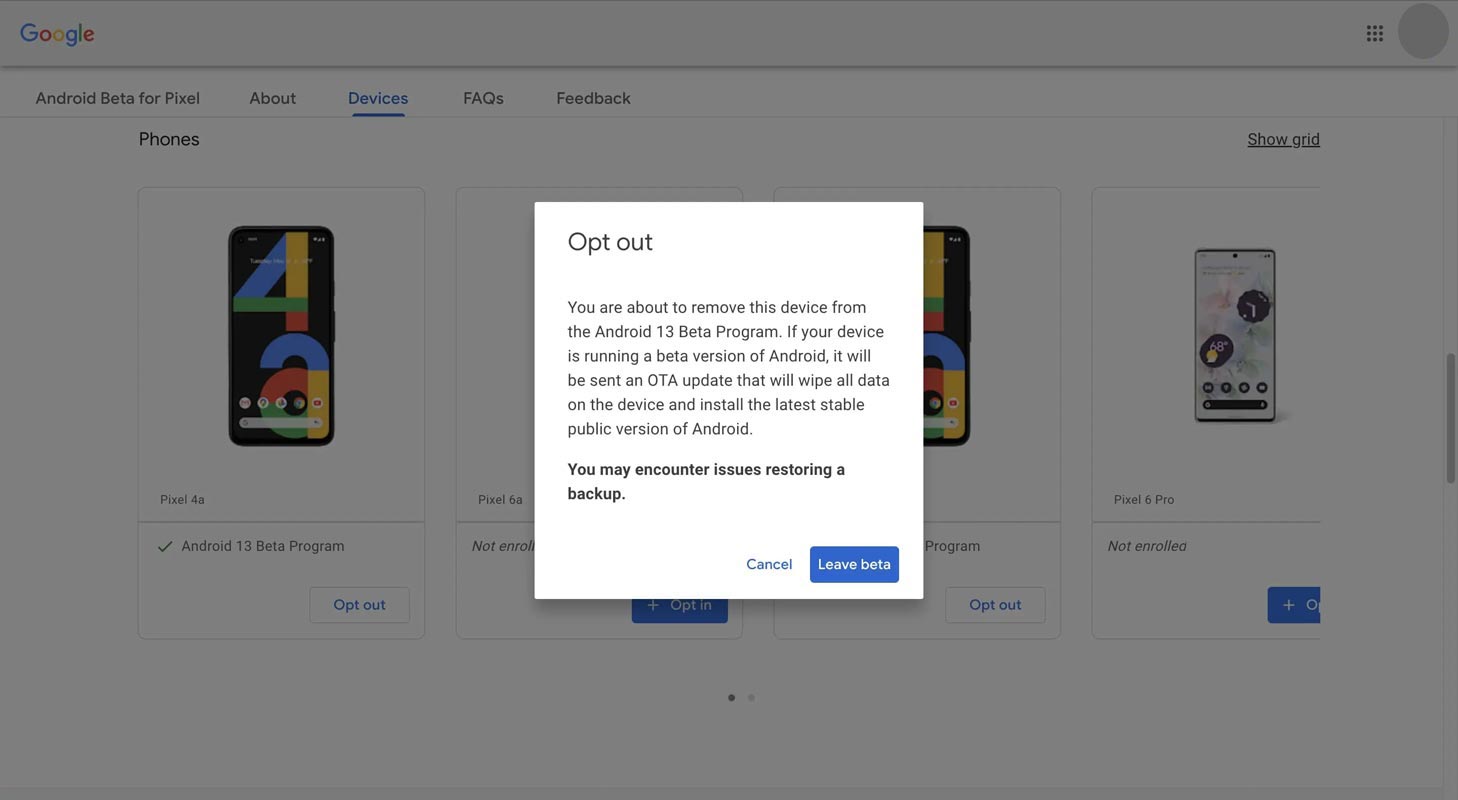
- First, ensure that you’re running a beta version of Android.
- Find devices using the View device to locate the device you’d like to get rid of and select Opt-out.
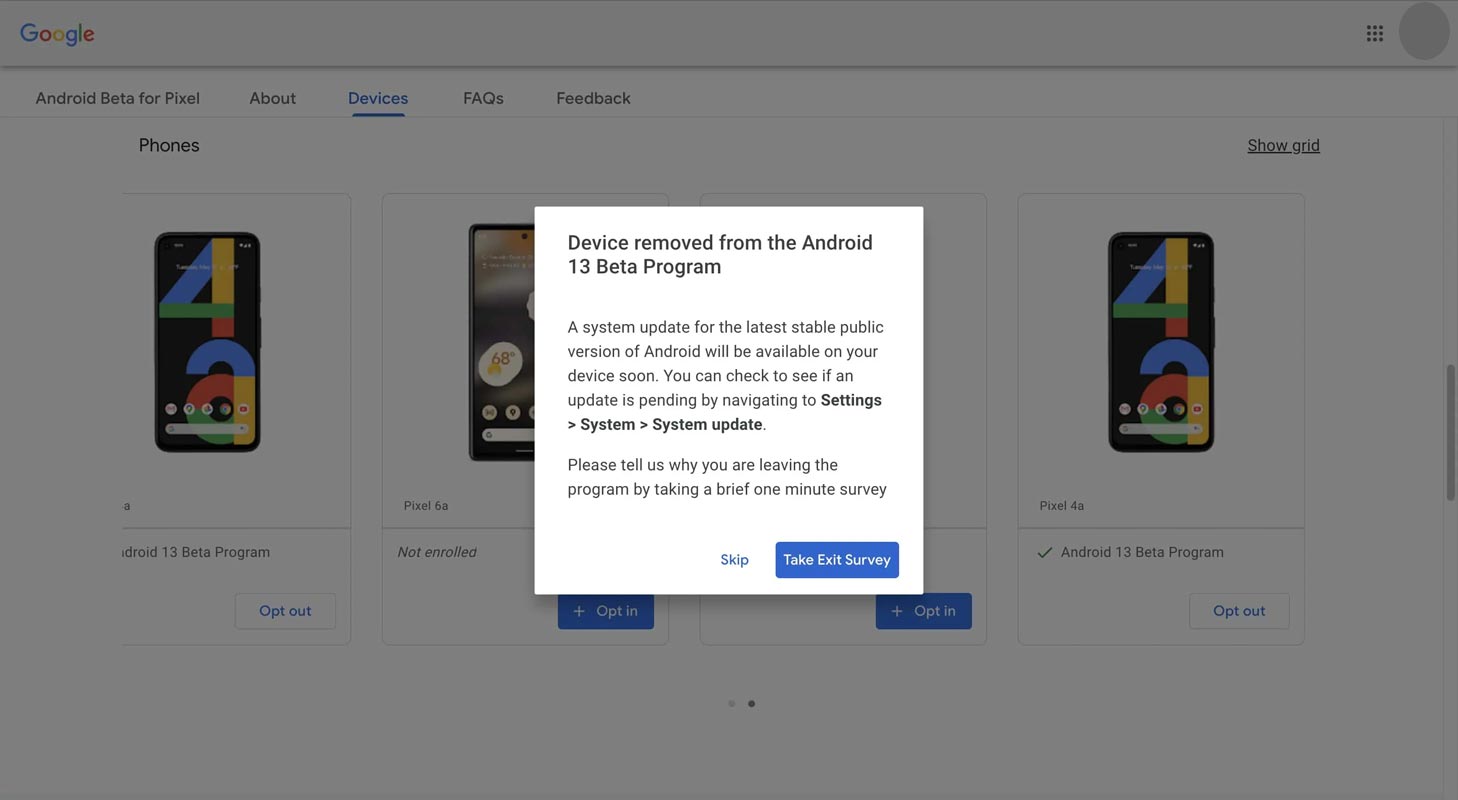
- Your device will be updated within 24 hours. This update will erase all user data and install Android’s most recent stable version.
- If you’ve applied this stable update to the version that you’re testing Beta and want to opt-out without data wiping for a brief period until you install an update to the next Beta.
Install Android 13 Stable Update manually- Data loss method
You can use the manual method when you can’t install the official OTA update without the data loss process.
Note
-
The battery level of the proposed Pixel/Nexus device should be above 80 percent.
-
Please ensure you backup the device in case of data loss, so you can quickly restore the previous files and settings of the device.
-
This method is purely for Google Pixel or Nexus devices only.
Install ADB Drivers- Essential Step
- You can use minimal adb and fastboot drivers when using Windows OS.
Part One (1): Unlocking Bootloader in Google Pixel
Before firmware can be flashed to any device, the device’s bootloader must be unlocked. Unless you unlock a device’s bootloader, you cannot flash the firmware to that device. However, do not worry, as we also included how to unlock the bootloader in Google Pixel/Nexus mobile devices.
Interestingly, unlocking the bootloader in Google Nexus and Pixel smartphones is quite comfortable. This also implies that it is easy to flash the firmware or install custom kernels/ROM on these Google devices. So, if you’ve got a Google device, either Pixel or Nexus, irrespective of the model, you can unlock the bootloader and flash a new firmware to the device.
First, you must unlock the device’s bootloader (i.e., if the device has not been previously unlocked). On the other hand, if the device has been unlocked, go ahead to flash it following the procedures listed in part two of this article.
Note: This will automatically factory reset your device, so that is why we advised you to run a backup before engaging in this action
Steps
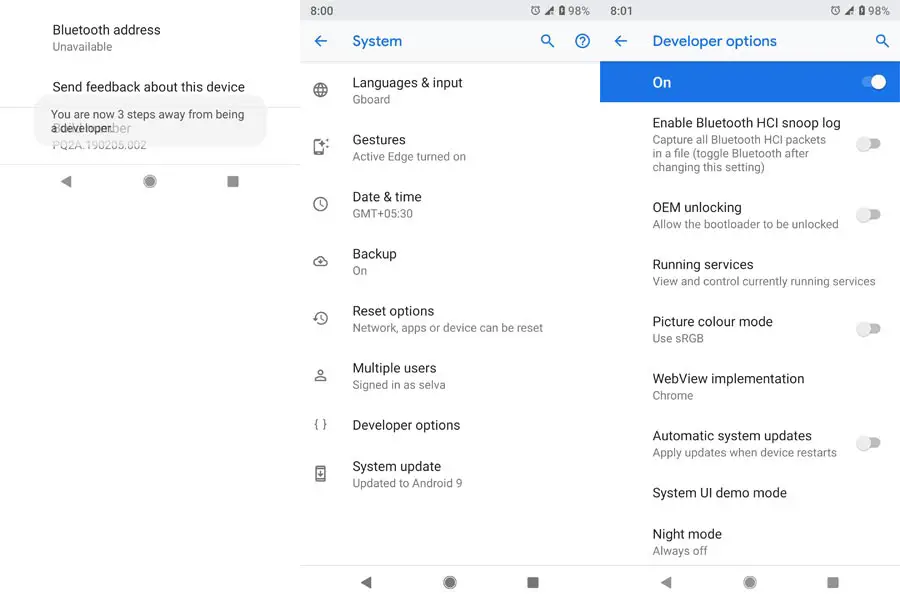
- On your Mobile, Go to Setting>>About>>Tap 7-10 times on Build number to enable the developer options>>Developer options>Enable OEM Unlock.
- Attach your mobile device to your laptop using USB.
- The device should be started in fastboot mode.
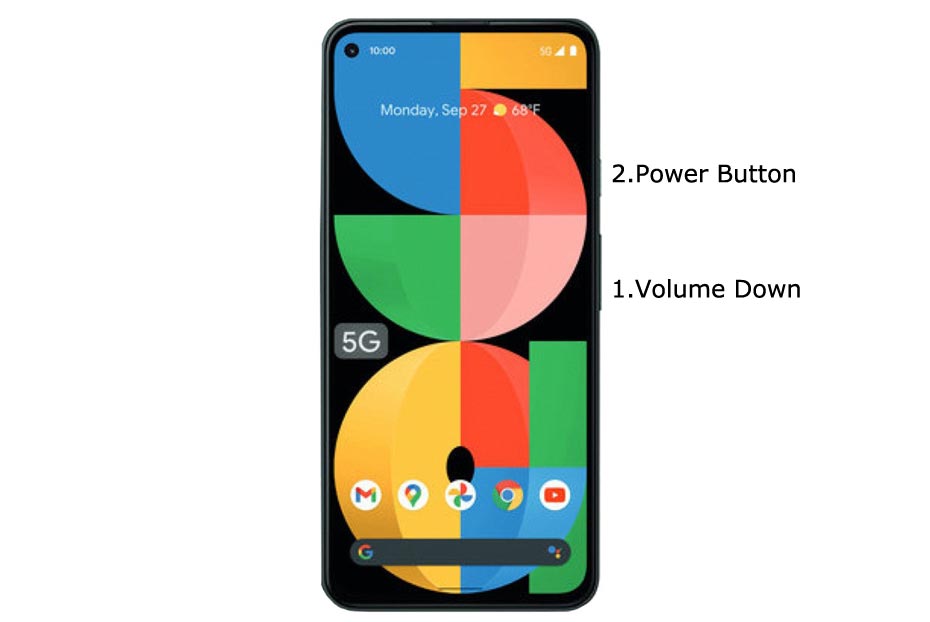
- Switch off your device. Then, enter into Bootloader mode. To do this, press and hold down the Volume Down + Power buttons simultaneously for some time.
-
Press the Volume Up button to continue when you see the warning message.
-
Connect the Pixel Mobile to the computer via USB cable.
-
Launch the fastboot on your computer. Next, open a Command prompt on your PC and type the below command.
- fastboot devices
- If you didn’t get the mobile phone, restart the command prompt and Disconnect and Connect your Pixel. It should display the connected devices. If you are detected, type the below commands.
- When the fastboot devices command doesn’t work, You can use the adb devices command.
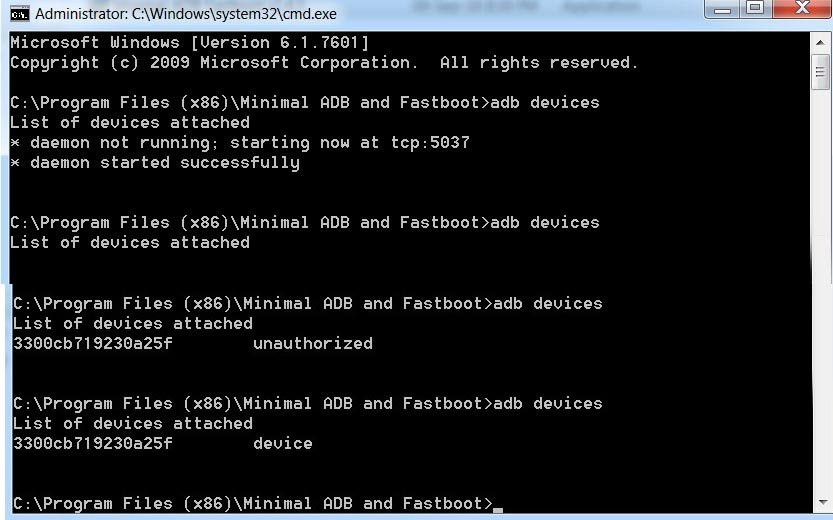
- Utilizing the adb tools, If the device is switched on, perform:
- flashing fastboot unlock
- Wait for the process to complete. After the process is complete, Your mobile will restart.
Part Two (2): Flash Google Pixel Android 13 Stable Firmware Image
After unlocking the bootloader, here are the steps to flash the firmware on Google Pixels or Nexus devices.
Steps
-
Download the respective ADB drivers and install them on your system. (Windows / Mac )
-
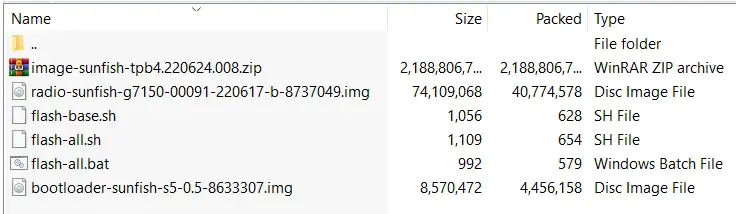
Download the Google Pixel Android 13 Beta 4 Firmware file/ AFH Mirror and copy the files to your Desktop Google folder (Create one folder in the Desktop). Extract the firmware file. All the extracted files should be on the Desktop/Google folder. Please don’t put it in the Separate folder inside the Google Folder.
-
Launch the Command prompt in the folder and enter the following code – cd/Username/Desktop/Google.
-
Now, connect the Android mobile using a suitable USB cable.
-
On the Pixel device, turn on USB Debugging and OEM Unlocking; go to device settings >>> developer options >>> enable OEM unlocking. After allowing OEM Unlocking, power off the device.
-
Make sure your mobile is detected by the system you’re using for this action, then type the following command
-
fastboot -(Windows)
-
./fastboot-(Mac)
-
You’d see the device ID if the system detected the mobile device. However, if you didn’t get the device IS, retry again.
- Power the device into bootloader mode, and follow the guide below.
-
Press and hold down the Volume Down button for about 2 – 3 seconds
-
While holding the “volume down” button, press the “Power key” and hold on to it for some seconds.
-
Now, release all the keys/buttons.
-
Use any Volume keys to switch from START to Fastboot Option. You’ll receive a warning message, but you have to ignore the warning and continue below.
-
Press and hold the Power Key, then, Volume Up button. The mobile device will load to Fastboot mode.
-
After that, enter the below comments in Command Prompt.
-
flash-all.bat-(Windows)
-
./flash-all.sh-(Mac)
After entering the above command, the new firmware will be flashed on your Pixel device. Reboot and start using.
Wrap Up
You have just learned to unlock the Google Pixel device’s bootloader and flash the Android 13 stable firmware. Since the Stable Android 13 comes, You don’t have to use the Beta versions. Also, this tutorial is only for Google Pixels devices; other Android devices have their ways to unlock their bootloader. Ensure you observe the warning we shared to avoid bricking the device due to carelessness. Furthermore, ensure you use the tools listed here and download the correct firmware for the specified device. If you think you cannot do these independently, visit an Android technician to handle them. Your comments are appreciated; hence, we hope to see what you say about this tutorial; share them below.

Selva Ganesh is a Computer Science Engineer, Android Developer, and Tech Enthusiast. As the Chief Editor of this blog, he brings over 10 years of experience in Android development and professional blogging. He has completed multiple courses under the Google News Initiative, enhancing his expertise in digital journalism and content accuracy. Selva also manages Android Infotech, a globally recognized platform known for its practical, solution-focused articles that help users resolve Android-related issues.