
Rooting your Google Pixel 7 or Pixel 7 Pro running Android 14 with Magisk is a process that grants you privileged access to customize and optimize your device. Given that it’s a new version, it’s essential to remain aligned with the official release to ensure stability and compatibility. Only consider rooting if you possess a developer’s understanding of the system. When you’re adept at navigating the intricacies of Android and have the necessary expertise, you can embark on the root process. Remember, with great power comes great responsibility, so proceed with caution and always back up your data before making any modifications to your device.
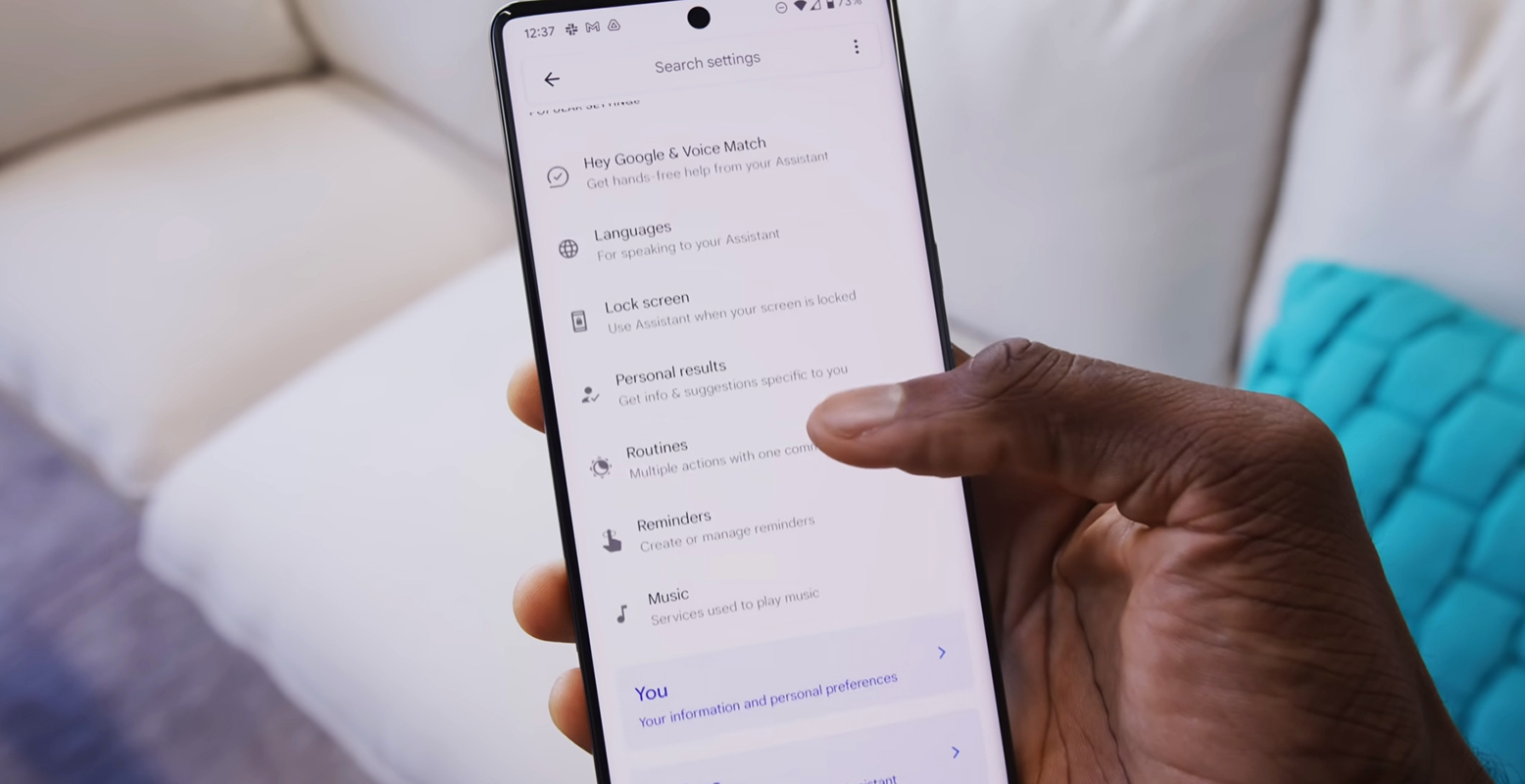
After the Root, you will not get official updates from Google. You must flash the Stock firmware to update and stay with the latest version. So, I advise until you have a proper reason, don’t root your mobile. If you are a Developer or Regular root apps user, you can follow the below guide to achieve Root on your mobile. The following method is Magisk Root. So, you can’t install custom ROMs. But you can install all Root apps.
Why should you Root for Google Pixel 7/Pro?
We thank XDA Developers- topjohnwu and KaptinBoxxi (Who successfully tested this method). Without their hard work, We can’t make this method. Coming to the Root, you should have a proper reason and know what you are doing. Yes, with a minimum of 8-12 GB RAM and a Google Tensor processor, You can use this mobile without Root for 5 Years If you use it in regular usage. Software is better compared with other manufacturers, Custom skin OS. Don’t root because everybody says it can become fast when you root your mobile. No. Rooting is to extract some performance from the device. But you already have Optimized Powerful specs and software. So, If you are addicted to some root apps, you can root. But if you want to test it, I won’t recommend it.

How to Root Google Pixel 7/Pro Android 14 (Panther, Cheetah, International versions)?
Google Pixel 7/Pro International Variants has a more flexible bootloader than carrier-locked devices. This means that We can easily root different smartphone variants. The device can also install TWRP recovery or any custom recovery file/app.
This article explained the easiest method to follow and install Magisk on Google Pixel 7/Pro. But In the below process, we will Root this device using Magisk. You can install Official TWRP using the official app when it is released. TWRP recovery is a custom recovery file we must install on your devices because you can root them successfully. However, the tool required for rooting this device is the Magisk App.
With the help of TWRP Recovery, you can quickly flash the Custom ROMs into your Google Pixel 7/Pro. You can flash TWRP once it is available. Before sharing the tutorial, you may want to know that you can easily install any root apps with the Magisk on your device. Does it seem complicated? Relax; We will explain everything succinctly in bullets.
Things to check out for;
-
Make sure your device battery is charged above 50%
-
Please back up your current files and data and complete the data loss process (save them on external storage).
Pre-Requirement Steps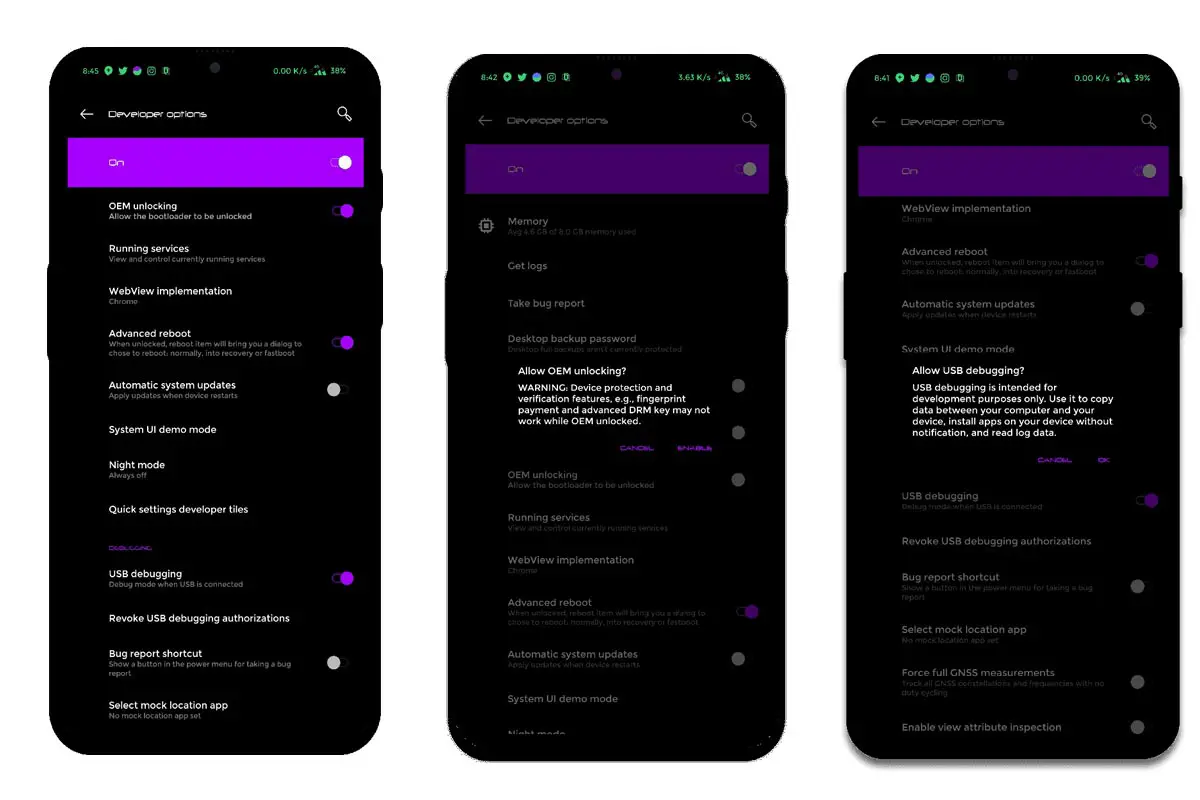
-
Enable USB Debugging Mode and OEM Unlock on your mobile. To do this, go to settings >>> about >>> Tap on the “Build Number” 7-10 times consistently to enable “Developer Options,” then go to the “Developer Options” and enable USB Debugging Mode, OEM Unlock. There is no complicated process in Google Pixel 7/Pro.
-
Download the ADB drivers. Install it on your PC.
- Also, download the regular Partition Fastboot drivers and Install Them on your PC. Use these drivers to flash the Boot image file.
Unlock Bootloader Google Pixel 7/Pro using ADB and Fastboot
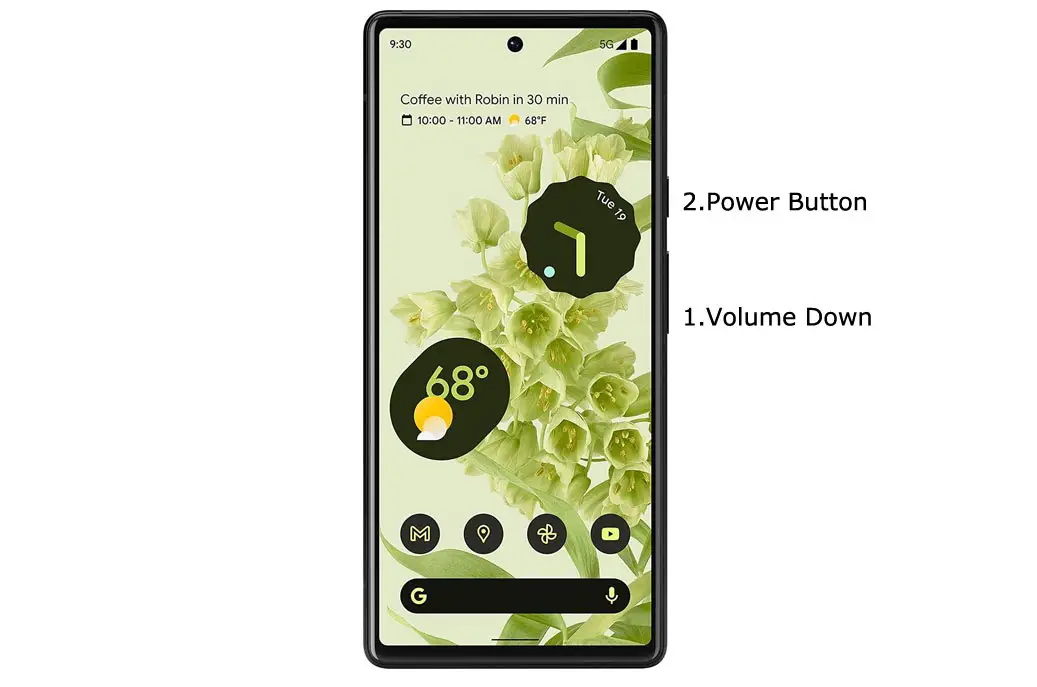
- Switch off your device. Then, enter Fastboot mode. To do this, press and hold down the Volume Down + Power buttons simultaneously for some time and connect your mobile to your PC.
-
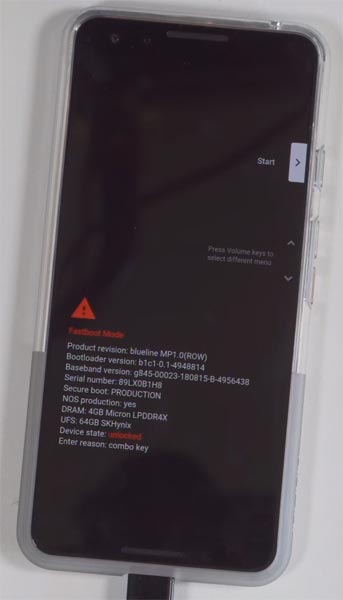
Press the Volume Up button to continue when you see the warning message.
-
Connect the Google Pixel 7/Pro mobile to the computer via a USB cable.
-
Launch the fastboot on your computer. Open a Command prompt on your PC and type the below command.
- fastboot devices
- If you are detected, type the below command and hit Enter. It should display the connected devices. If you didn’t get the device, restart the command prompt and Disconnect and Connect your Google Pixel 7/Pro.
- fastboot flashing unlock
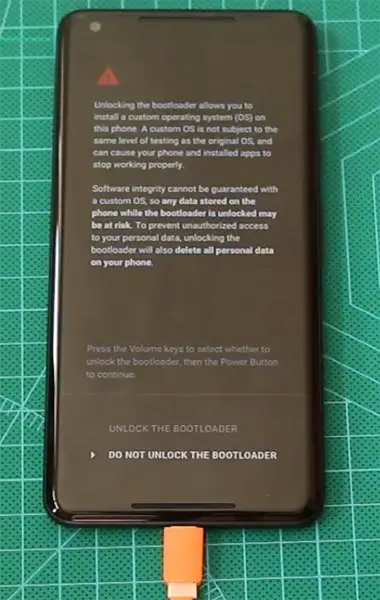
- Confirm unlock Bootloader on your Mobile Screen.
-
After the successful unlock, your device will automatically reboot to the standard OS.
- Check again to enable “Developer Options,” then go to the “Developer Options” and enable USB Debugging Mode, OEM Unlock. Sometimes, they disabled themselves after the boot.
Preparing Patched Boot Image file for Google Pixel 7/Pro
- Download Google Pixel 7/Pro Firmware and save it on your PC (Factory Image file, not OTA). Your Current OS version and Downloaded Version should be the Same.
- You can use Phone Info to know your firmware version.
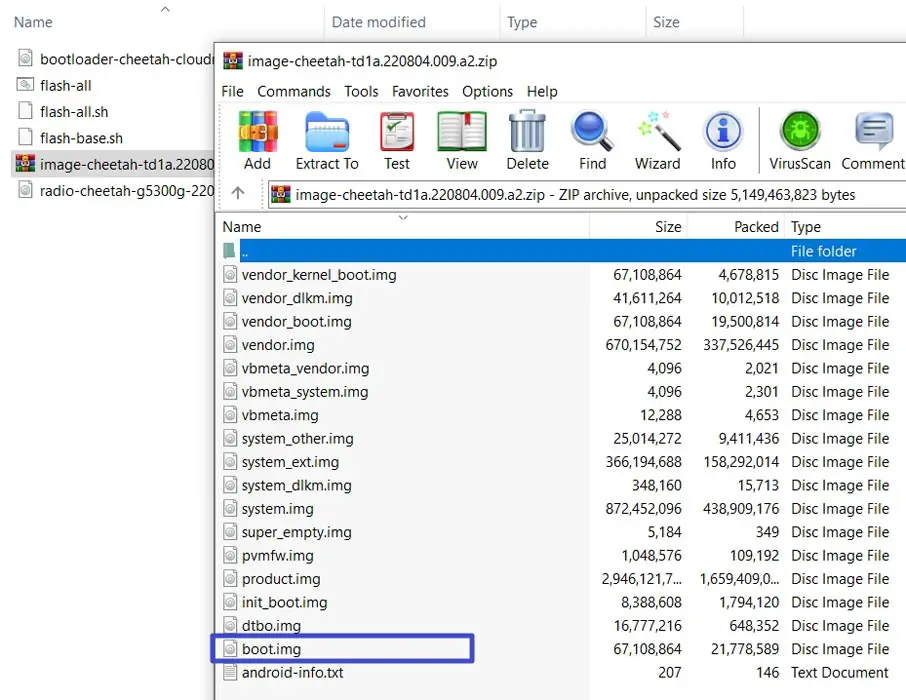
- Download 7Zip-ZS on your PC. Extract the files in the downloaded firmware using 7Zip-ZS. You will get a lot of data. You should extract another .zip file inside the already extracted firmware to get the boot file. Copy the boot—img file to your mobile.
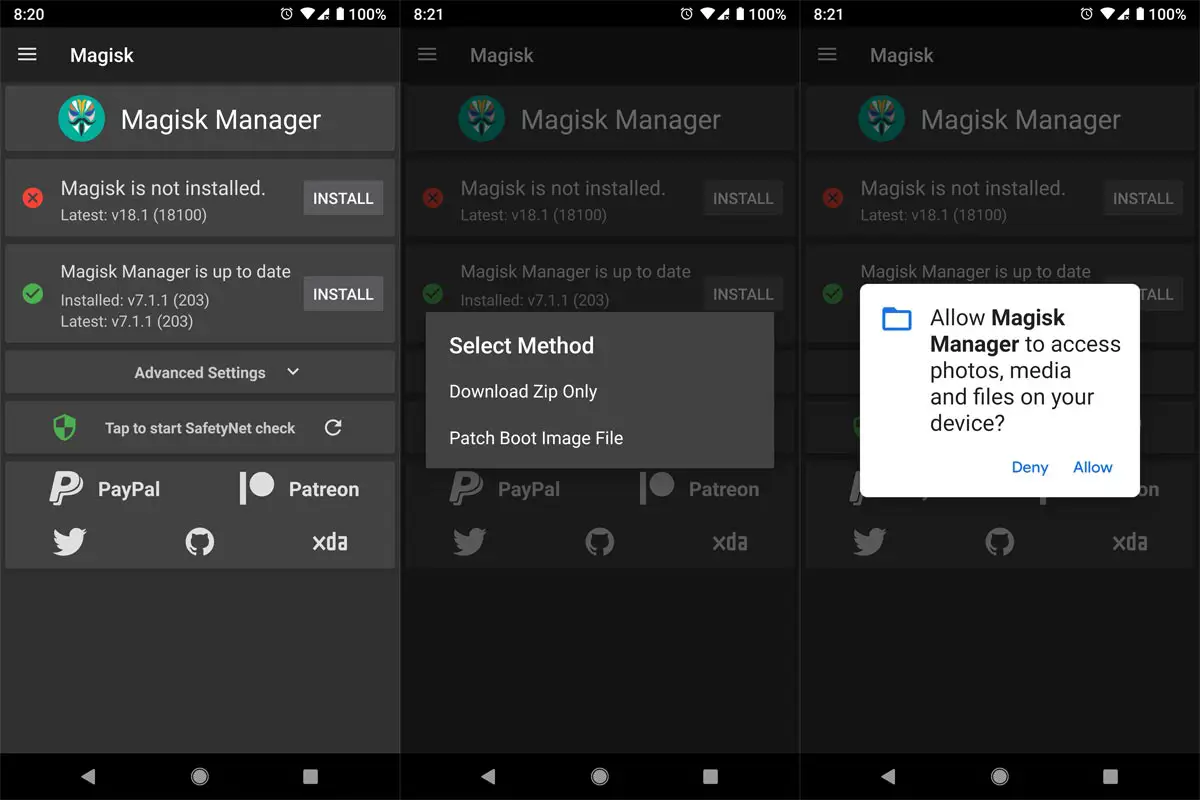
- Download Magisk Manager (Download the Latest version) or Magisk canary and Install it on your mobile. Open Installed Magisk and Select Install in Magisk; it will ask For the zip file and Patch Boot Image File. Select the Boot Image file.
-
Navigate to your copied Boot Image File and patch the file in .img format.
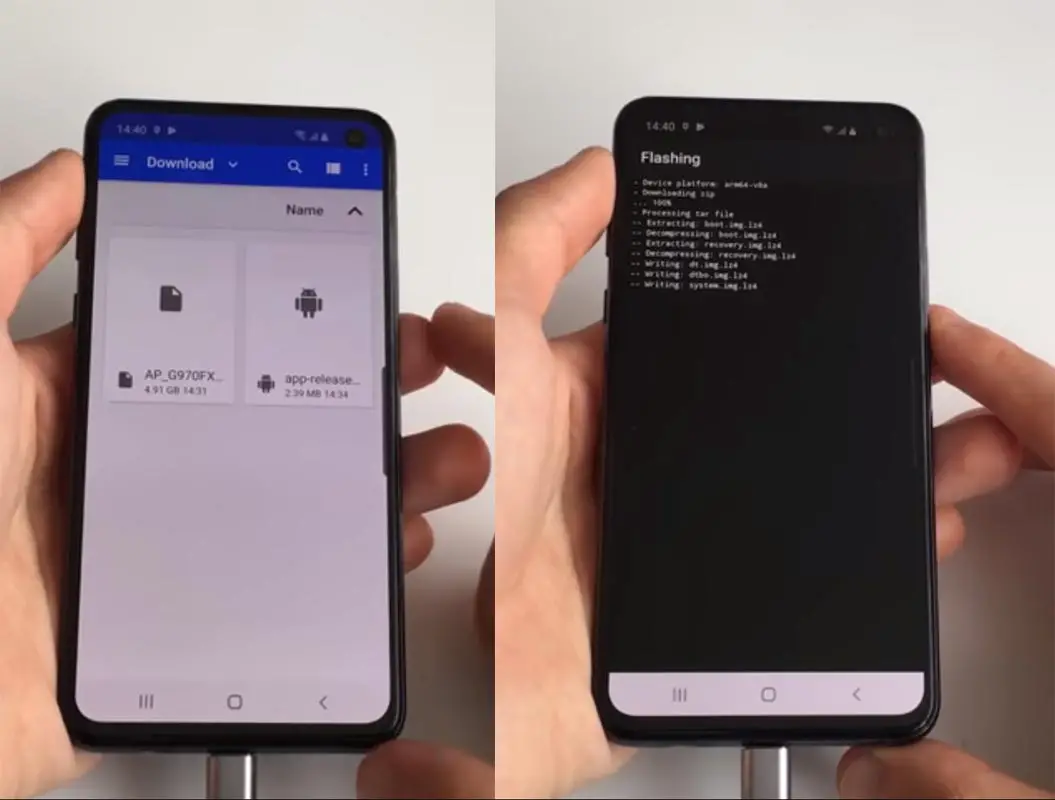
- Wait for the process to complete; in the end, you will get a magisk patched .img file. The .img file will be in the same folder where you have the boot. img.
- Copy the magisk_patched—img file to your PC. Rename the file to boot.img again.
Flash Patched Recovery Image using ADB and Fastboot
- Switch off your device. Then, enter Fastboot mode. To do this, press and hold down the Volume Down + Power buttons simultaneously for some time.
-
Press the Volume Up button to continue when you see the warning message.
-
Connect the Google Pixel 7/Pro mobile to the computer via a USB cable.
-
Launch the fastboot on your computer. Open a Command prompt on your PC and type the below command.
- fastboot devices
- It should display the connected devices. If you didn’t get the mobile, restart the command prompt and Disconnect and Connect your Google Pixel 7/Pro. If you are detected, type the below command and hit Enter.
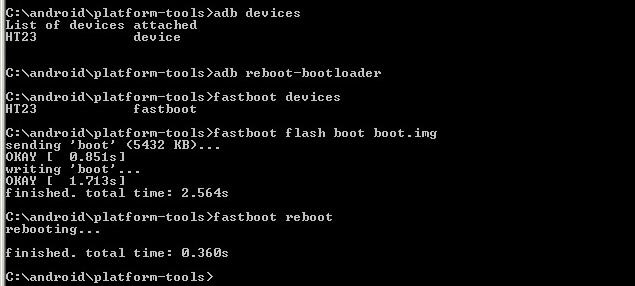
- fastboot flash boot –slot all boot.img
- After completing the process, Press the Volume Down+ Power button to exit Fastboot mode. Immediately Press the Volume Up + Power buttons when the screen goes off to boot into Recovery mode.
- After entering Stock recovery mode, Go to Wipe Data/Factory Reset and Select Yes to wipe data. It will erase the saved data on your device. Don’t Boot into OS; read below Boot stages before booting.
Boot into Rooted OS
- Press and Hold the Volume Up + Power buttons, and release all the keys once the Bootloader warning appears. You have to set up your device like a new device. You can select the root status using the Root Checker.
- Stock Recovery Boot – Press and Hold the Volume Up + Power buttons release keys while holding the Volume Up key.
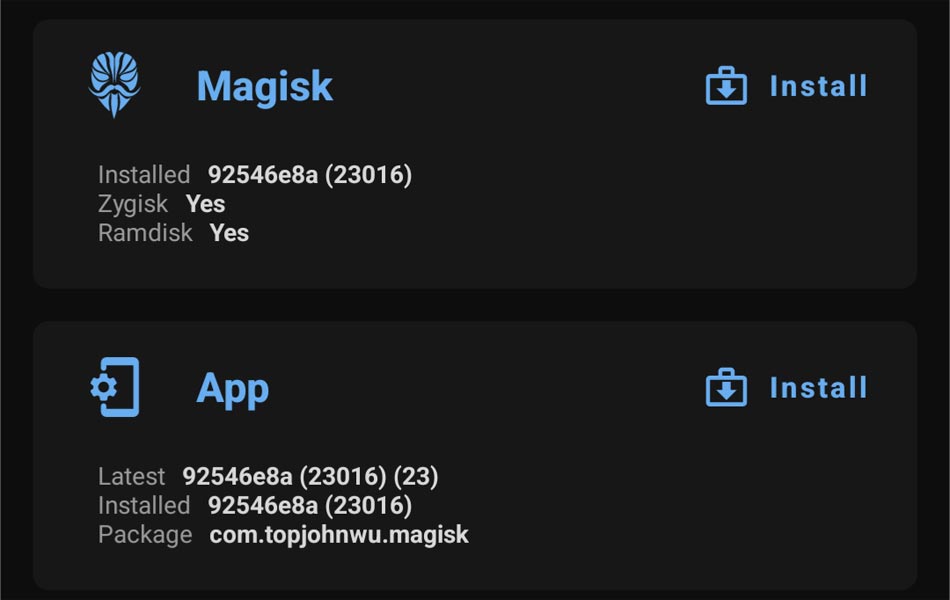
- You will see Magisk Manager in your App drawer. You can install Magisk Manager on your mobile if you can’t find the app.
What More?
In my opinion, you don’t need to root for your Google Pixel 7/Pro Android 14. If you thought you could Improve Performance By Rooting With the Google Tensor G2 Octa-Core processor and 8-12 GB RAM. If you don’t know how much RAM you need, You will never use this much RAM. It would help if you did not Boot into Normal OS Booting by pressing the power button after the firmware flash. It will boot you to a Non-Rooted environment. If you accidentally urge and boot frequently, Don’t panic; after setting everything up, switch off your device and boot into Rooted OS using the keys mentioned above. Don’t Install any apps other than trusted sites on rooted devices. Third-party site apps can contain some background codes. So, Check twice before installing those apps.

Selva Ganesh is a Computer Science Engineer, Android Developer, and Tech Enthusiast. As the Chief Editor of this blog, he brings over 10 years of experience in Android development and professional blogging. He has completed multiple courses under the Google News Initiative, enhancing his expertise in digital journalism and content accuracy. Selva also manages Android Infotech, a globally recognized platform known for its practical, solution-focused articles that help users resolve Android-related issues.