
Google may once again be preparing to bridge the gap between mobile and desktop computing—and this time, it could be much bigger than ChromeOS. According to recent reports, the company is developing a new operating system called “Aluminium OS”, a software platform that may finally deliver the full Android experience to desktop and laptop PCs.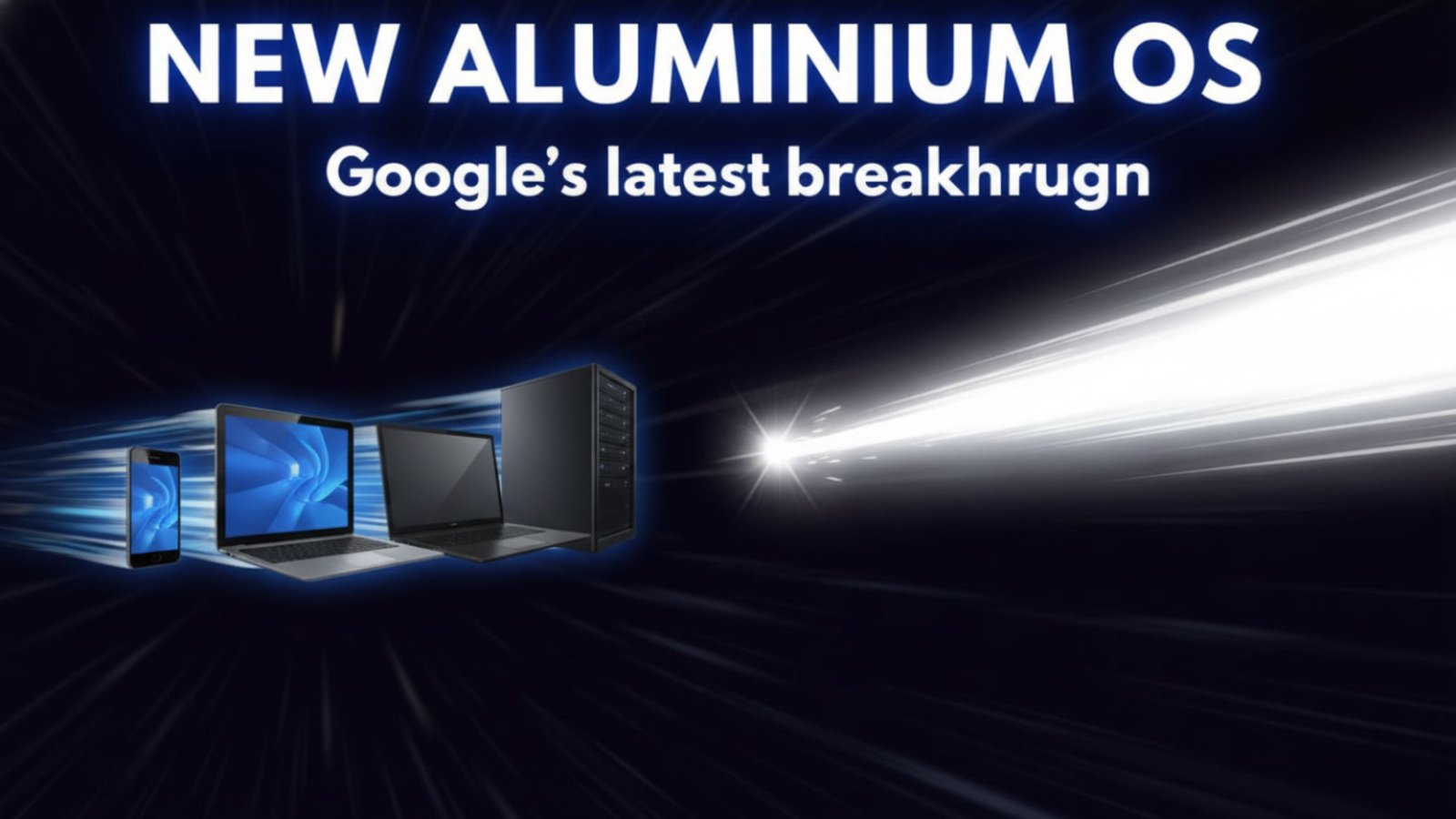
If these rumors prove accurate, Aluminium OS could mark the most significant shift in Google’s operating system strategy in years, potentially reshaping how Android apps run outside of smartphones and challenging Windows, macOS, and even Google’s own Chrome OS. Here’s a deep dive into everything we know so far, what it might mean for users, and how it fits into the wider ecosystem.
What Is Aluminium OS?
Although Google has not officially confirmed the project, references to Aluminium OS have reportedly surfaced in development repositories, internal documents, and early testing channels. The name appears to be a codename—similar to how Google used Fuchsia, Andromeda, and Redondo for past experimental OS platforms.

The early indications suggest that Aluminium OS is designed to:
- Bring Android to PC-class hardware, including x86 and ARM laptops.
- Support Android apps natively—not emulated—using an Android framework tailored for larger screens and desktop UI.
- Provide deeper integration with Google services, potentially beyond what ChromeOS already offers.
- Offer a more traditional desktop interface, unlike the browser-centric design of ChromeOS.
Aluminium OS could represent Google’s first serious attempt to deliver a full desktop environment built directly on Android, rather than using ChromeOS’s ARC (Android Runtime for Chrome) compatibility layer.
Why Google Might Be Building an Android OS for PCs
Google’s interest in unifying ecosystems has been clear for years. ChromeOS has slowly gained better Android app support, while Android tablets have begun adopting desktop-like features such as multi-window and taskbars.
However, the company may have several strategic reasons to launch an OS specifically designed for PCs.
1. The Growing Android Productivity Market
Large-screen Android devices—especially tablets and foldables—are receiving increased attention. Developers are being encouraged to build desktop-style layouts, and Google has redesigned many of its apps (Docs, Sheets, Messages) for bigger displays.
Aluminium OS could be the natural next step: an Android environment optimized specifically for work, multitasking, and peripherals such as keyboards, mice, and external monitors.
2. Reducing Dependence on ChromeOS’s Limitations
Chrome OS was created to run primarily within a browser environment. While it has evolved significantly, its foundation still limits certain capabilities:
- Limited native app ecosystem outside the Play Store and Linux containers
- Heavy reliance on the Chrome browser
- Constraints in file-level system access
- Complicated Android app compatibility patches
A dedicated Android-based desktop OS might solve these issues while still maintaining lightweight performance.
3. Competition from Windows and Apple
Microsoft has aggressively integrated Android into Windows with features like:
- Phone Link
- Native Android app support through Amazon Appstore and WSA (Windows Subsystem for Android)
- ARM-based Qualcomm PCs optimized for mobile apps
Meanwhile, Apple has unified its ecosystem through shared Silicon chips and universal app frameworks.
Google may view Aluminium OS as a way to build a stronger cross-device Android experience, similar to Apple’s unified platform across iPhone, iPad, and Mac.
4. Preparing for a Future Beyond ChromeOS on Some Devices
Aluminum OS doesn’t necessarily mean Chrome OS is ending. Instead, Aluminium OS could:
- Co-exist alongside ChromeOS
- Serve different markets (e.g., productivity tablets, hybrid devices, low-cost PCs)
- Eventually, merge features with ChromeOS over time
It could be similar to how Apple maintains both macOS and iPadOS—two distinct systems sharing a common foundation.
Potential Features of Aluminium OS
While unconfirmed, several likely features can be inferred based on Google’s direction and Android’s existing capabilities:
1. Native Android Apps Optimized for Desktop
Native Android Apps would be Aluminium OS’s biggest selling point.
Expectations include:
- Resizable multi-window apps
- Desktop-level keyboard shortcuts
- Multi-monitor support
- Improved mouse and trackpad integration
- Enhanced drag-and-drop features
These would fix many frustrations users experience when running Android apps on ChromeOS or Windows emulators.
2. Integration with Google Workspace and AI Tools
Given Google’s recent AI push (Search Generative Experience, Gemini, Workspace AI), Aluminium OS may come bundled with:
- System-wide Gemini AI features
- Smart actions and app automation
- Cloud-backed desktop search
- Advanced photo and document editing
- Device sync across Android phones, tablets, and PCs
This new OS aligns with Google’s strategy of infusing AI into all platforms.
3. A New Desktop Interface for Android
ChromeOS has a simplistic, browser-first UI. Aluminium OS could take a different approach:
- A full desktop launcher
- Start menu-like app grid
- File Manager with advanced controls
- System tray with quick toggles
- Traditional app windows instead of full-screen-only layouts
This OS would finally make Android behave more like a PC OS, rather than a mobile OS stretched onto a larger display.
4. Compatibility With PC Hardware
Aluminium OS may include:
- Full support for x86 processors (Intel, AMD)
- ARM support for Chromebook-like devices
- Native drivers for cameras, microphones, and touchpads
- Bluetooth and USB accessory integration
If Google wants this OS to succeed, hardware compatibility will be critical.
How Aluminium OS Could Change the Market
If Google releases Aluminium OS publicly, it could have broad implications for consumers, developers, and device manufacturers.
1. A New Category of Android Laptops and Desktops
OEMs like Asus, Lenovo, HP, Acer, and Samsung may introduce:
- Lightweight Android ultrabooks
- 2-in-1 hybrid Android devices
- ARM-based productivity tablets running Aluminium OS
- Android desktop mini-PCs
Aluminium OS could become an entirely new product category, offering a cheaper and more power-efficient alternative to Windows machines.
2. Developers May Optimize More Apps for Large Screens
With growing pressure from Apple (iPadOS) and Microsoft (Windows on ARM), Google may use Aluminium OS to push developers into:
- Adopting large-screen layouts
- Using adaptive UI components
- Supporting keyboard/mouse input
- Creating desktop-friendly workflows
Developers would raise the overall quality of the Android app ecosystem.
3. Greater Competition for Windows in Education and Budget PCs
Chrome OS has dominated the education market primarily due to its low cost and ease of use. But Aluminium OS could:
- Offer a deeper app ecosystem
- Improve offline capabilities
- Provide more professional-grade app support
- Reduce Chrome-dependency
Aluminium OS may pressure Microsoft in the entry-level laptop segment.
4. A More Unified Google Ecosystem
Android, ChromeOS, Wear OS, and Android TV could all integrate more seamlessly. A desktop version of Android could:
- Sync seamlessly with phones
- Share apps and settings
- Offer easier file exchanges
- Provide a unified app experience across displays
This would bring Google closer to Apple’s unified ecosystem strategy.
Challenges Facing Aluminium OS
As promising as the rumours sound, launching a full desktop OS is extremely difficult. Google will need to solve major challenges to make Aluminium OS successful.
1. Developer Adoption
Android developers tend to design for phones first. Even tablets are often an afterthought. Convincing the ecosystem to support desktop layouts will require:
- New guidelines
- Updated tools
- Better incentives
- Clear communication from Google
Without optimized apps, Aluminium OS risks becoming another niche platform.
2. Competition With ChromeOS
Google already struggles with mixed messaging between Android and ChromeOS. Introducing a third major platform could:
- Confuse OEM partners
- Fragment the ecosystem
- dilute engineering resources
A clear strategy will be essential.
3. Windows Dominance in PC Software
Despite Android’s massive mobile user base, Windows still dominates the PC-specific software market. For Aluminium OS to gain traction, it must attract:
- Productivity tools
- Creative apps
- Gaming experiences
- Developer software
Windows Dominance will take time.
4. User Expectations for PCs
Desktop and laptop users expect:
- High-performance multitasking
- Advanced file systems
- Windowed interfaces
- External device support
- System stability
Android would need significant upgrades to meet these expectations.
Is Aluminium OS the Future of Google’s Desktop Strategy?
It’s too early to say. Google has worked on several experimental OS projects that never reached consumers, such as:
- Andromeda – ChromeOS + Android hybrid
- Fuchsia – General-purpose OS now powering Nest Hub
- Brillo – IoT OS
However, Aluminium OS feels different. It aligns with Google’s current ecosystem goals:
- Android expansion
- AI-driven platforms
- Multi-screen computing
- Cross-device continuity
- Competing with iPadOS and Windows ARM
If these leaks reflect Google’s real long-term vision, Aluminium OS could become a major evolution in the Android universe.
Wrap Up
The possibility of Google launching an Android-based PC operating system, similar to Aluminium OS, is one of the most exciting developments in the tech world right now. While still unconfirmed, the concept aligns perfectly with Google’s broader ecosystem strategy, AI ambitions, and desire to unify performance across devices.
If Google succeeds, Aluminium OS could:
- Bring true Android laptops to market
- Deliver a competitive alternative to Windows and macOS
- Elevate Android apps for productivity and desktop use
- Strengthen Google’s cross-device ecosystem
Whether it becomes a mainstream OS or a specialized platform, Aluminium OS could mark a turning point in how Android is used—and how Google sees the future of personal computing.
AITeam is the dedicated editorial team of Android Infotech, consisting of experts and enthusiasts specialized in Android-related topics, including app development, software updates, and the latest tech trends. With a passion for technology and years of experience, our team aims to provide accurate, insightful, and up-to-date information to help developers, tech enthusiasts, and readers stay ahead in the Android ecosystem.
For more about our team, visit our About Us page.




Leave a Reply