
Alternatives to Google Pixel Studio- In the rapidly evolving landscape of mobile creative tools, Google Pixel Studio has undoubtedly set a benchmark for on-device generative capabilities. Its seamless integration with mobile hardware enables swift, intuitive image generation and editing directly from your pocket. However, as demand for sophisticated AI-driven artistry grows, many creators are seeking more robust features, specialized artistic controls, and cross-platform flexibility beyond standard offerings. Whether you are a professional graphic designer, a social media manager, or an enthusiast looking to push the boundaries of digital art, the following five AI image generation platforms provide powerful alternatives that excel in unique ways.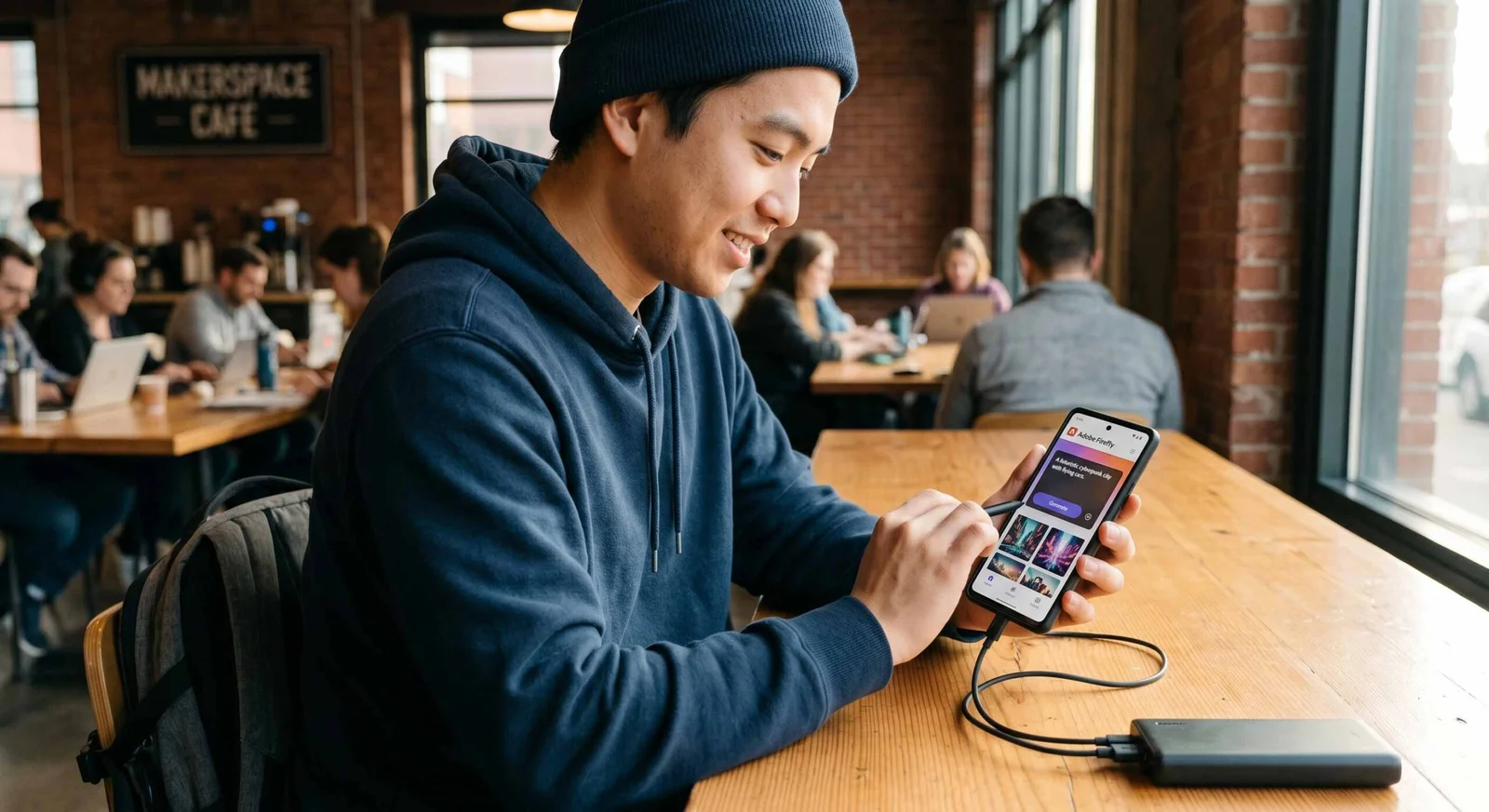
1. Gemini and Nano Banana 2
For users deeply entrenched in the Google ecosystem who desire an AI that understands complex spatial relationships and contextual nuances, Gemini, integrated with Nano Banana 2, stands at the forefront. What separates this engine from standard generators is its sophisticated multimodal reasoning. It does not merely process pixels; it comprehends the physical constraints of light, shadow, and depth.

When we utilize Nano Banana 2, we find that the engine excels in conversational image modifications. Unlike traditional tools, which require restarting a prompt to change an object’s color or background, this platform allows sequential edits. You can instruct the AI to swap a background or adjust a subject’s posture without compromising the original image’s consistency. Its ability to handle high-fidelity text overlays in any language makes it an indispensable tool for content creators who need to generate localized marketing materials on the fly. Furthermore, the inclusion of SynthID watermarking ensures that as we push our digital content to social channels, it carries a verifiable signature of authenticity, which is becoming increasingly critical in the era of deepfakes.
2. ChatGPT and GPT Image 2
OpenAI’s ChatGPT ecosystem, powered by the latest iteration of GPT-2, offers an unparalleled conversational experience. We have found that the strength of this platform lies in its prompt engineering assistance. Instead of struggling with vague descriptions, the model acts as a creative director, refining our initial concepts into highly descriptive, effective prompts.
The GPT Image 2 engine is specifically tuned for photorealism and intricate details. When tasked with generating portraits or architectural renderings, the level of texture accuracy—such as skin pores, fabric weaves, or lighting reflections—is consistently superior. For those of us who value a unified workspace, being able to brainstorm, draft marketing copy, and generate high-resolution visuals within a single chat interface significantly accelerates our production timeline. The DALL-E 3 integration under the hood provides a massive knowledge base of art history and design styles, enabling us to replicate specific aesthetics, from 19th-century oil paintings to modern minimalist typography, effortlessly.
3. Microsoft Designer
Microsoft Designer has emerged as a powerhouse for those who require a balance between generative AI and professional layout design. While Pixel Studio focuses heavily on the generative aspect, Designer treats the output as a component of a larger design file. It is the ideal choice when we need to generate assets that must fit perfectly into templates for presentations, posters, or branded social media posts.
By leveraging DALL-E 3 and Microsoft’s massive library of fonts, layouts, and stock assets, Designer removes the friction between “creating an image” and “designing a graphic.” We appreciate the automated layout engine that suggests professional-grade compositions based on the generated image, ensuring that text and visual elements are balanced in accordance with design principles. For teams working in a corporate environment, the integration with Microsoft 365 allows us to pull generated imagery directly into PowerPoint or Word, maintaining a cohesive brand identity across all business documents.
4. Adobe Firefly
For the professional creative, Adobe Firefly represents the gold standard in ethically trained AI models. Adobe has taken a unique approach by training Firefly exclusively on Adobe Stock images and public-domain content, which gives us immense peace of mind regarding copyright and commercial use rights.
What we value most about Firefly is its deep integration into the Creative Cloud. The ability to use the Generative Fill feature inside Photoshop—simply selecting an area of a photo and typing in a prompt to add, remove, or replace elements—has fundamentally changed our editing workflow. Firefly understands the technical language of art: we can specify aperture, shutter speed, and lighting types in our prompts, and the model respects those parameters with technical precision. It is not just about making a pretty picture; it is about creating professional-grade assets that can be immediately dropped into a high-end production pipeline without further adjustment.
5. Picsart
If your primary goals are social media engagement and mobile-first creativity, Picsart remains the most versatile option. While the other tools on this list skew toward professional or generative-focused workflows, Picsart is a comprehensive mobile editing studio. It combines an impressive generative AI engine with a vast library of filters, stickers, and community-driven effects.
Picsart is particularly effective for rapid content iteration. Its “AI Replace” and “AI Enhance” tools are highly optimized for mobile devices, allowing us to clean up images taken on the go, upscale low-resolution shots, and apply dramatic style transfers with a single tap. The community aspect of Picsart is also a major advantage; we can browse millions of user-created stickers and templates, which serve as a constant source of inspiration when we hit a creative block. It is the ultimate tool for the modern digital creator who prioritizes speed, variety, and the ability to post directly to social platforms.
Frequently Asked Questions
1. Which alternative offers the best commercial usage rights?
Adobe Firefly is widely considered the safest option for commercial work, as it is trained on Adobe Stock and public-domain images, reducing copyright risks.
2. Can I use these tools to replace a graphic designer?
These tools are assistants that accelerate workflows. While they handle generation, professional design principles and final quality control still require human expertise.
3. Which platform is best for mobile-first content creators?
Picsart is designed specifically for mobile, offering the most intuitive interface for quick edits and social media publishing.
4. Do any of these tools require advanced prompting skills?
ChatGPT with GPT Image 2 is excellent for beginners because it can help you write and refine your prompts in a conversational style.
5. Can I edit photos I have already taken with these tools?
Yes, most of these, especially Adobe Firefly (via Photoshop) and Picsart, are built to enhance existing photos alongside generating new ones.
6. Are these platforms free to use?
Most offer a “freemium” model where basic features are free, but high-resolution outputs or premium AI models often require a subscription.
7. Which tool is best for business presentations?
Microsoft Designer is the clear winner for business use due to its native integration with the Microsoft 365 suite.
8. Is there a tool that provides consistent character styles?
Nano Banana 2 and Gemini are highly effective for maintaining consistent aesthetic styles across multiple image generations in a single project.
9. Can I generate text within these images?
Yes, all five platforms support text generation, but Nano Banana 2 and Microsoft Designer are particularly strong at rendering clean, readable typography.
10. How do these tools compare to Google Pixel Studio?
While Pixel Studio is built for convenience, these alternatives offer specialized features like ethical training, advanced layout design, or deep professional software integration.

Selva Ganesh is a Computer Science Engineer, Android Developer, and Tech Enthusiast. As the Chief Editor of this blog, he brings over 10 years of experience in Android development and professional blogging. He has completed multiple courses under the Google News Initiative, enhancing his expertise in digital journalism and content accuracy. Selva also manages Android Infotech, a globally recognized platform known for its practical, solution-focused articles that help users resolve Android-related issues.



Leave a Reply