
When we first began exploring the frontier of autonomous artificial intelligence, we realized that traditional chat interfaces only scratched the surface of what digital workflows could achieve. For years, we found ourselves tethered to prompt-and-response loops, manually copying data, managing multi-step development tracks, and constantly babysitting repetitive tasks across different applications. That paradigm changed entirely when we integrated OpenAI Dots into our daily operations. Operating on the sophisticated GPT-6 Astra architecture, these always-on digital agents have fundamentally transformed how we approach deep professional work, cross-platform execution, and large-scale project management.
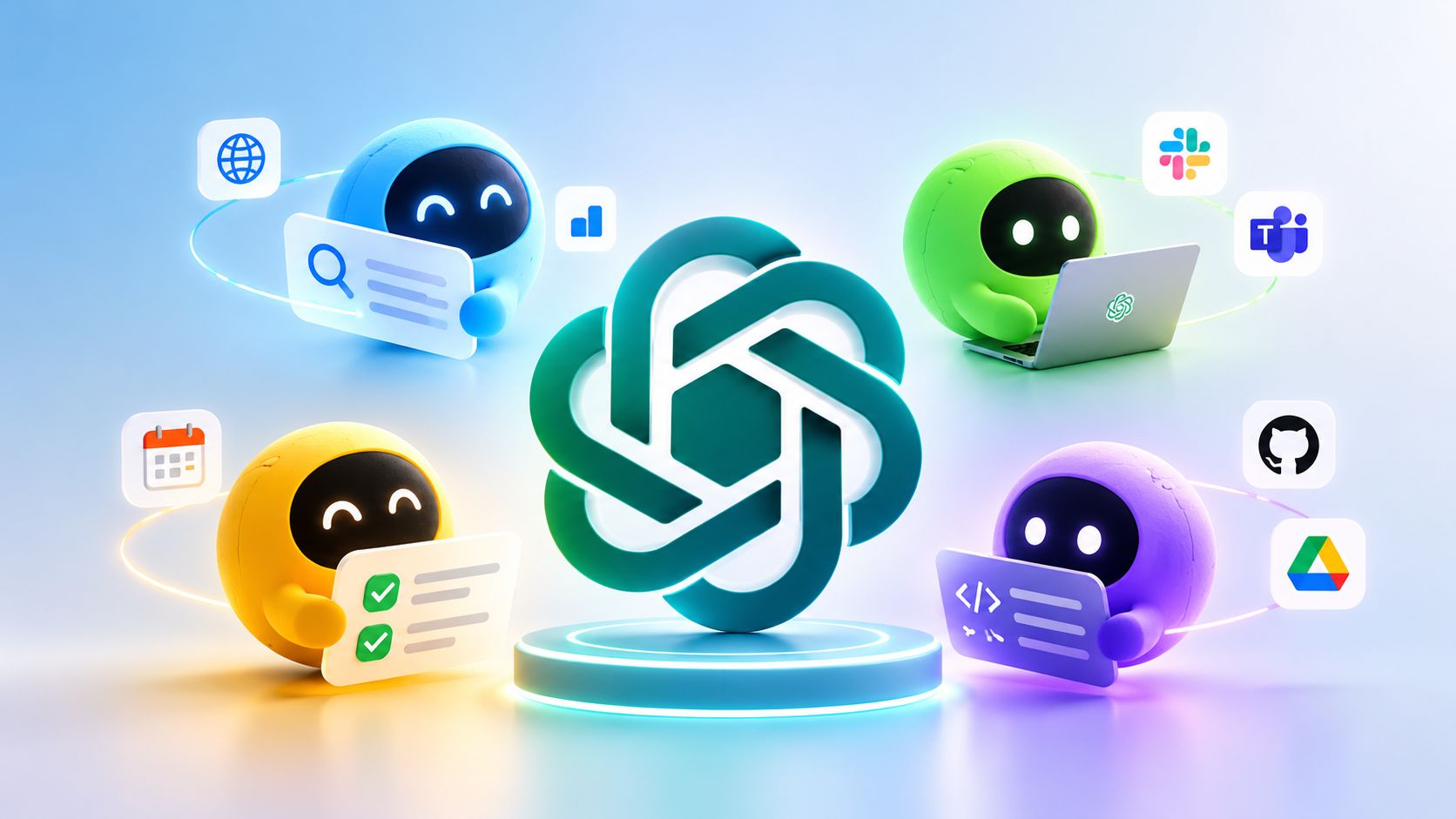

Our team spent months testing these autonomous entities across various subscription tiers, analyzing access rules, evaluating pricing structures, and pushing their background cloud computing capabilities to the absolute limit. In this comprehensive guide, we share our firsthand experiences, breakdown strategies, and technical insights to help you master OpenAI Dots and leverage them to maximize your organizational productivity.
Understanding OpenAI Dots Architecture
When we first deployed our primary dot, we discovered that it is far more than a standard chatbot wrapper. Each dot operates inside its own dedicated cloud environment and web browser, functioning independently while maintaining constant synchronization with your overarching objectives. Powered by GPT-6 Astra, these agents are engineered to tackle long-term projects proactively—such as updating complex presentations, executing software tests, tracking pipeline deals, and managing code repositories without requiring constant human micromanagement.
The core strength of these agents lies in their native ability to bridge multiple platforms seamlessly. Through an extensive ecosystem supporting over 4,000 application plugins, our dots easily connect with tools like Slack, Microsoft Teams, and various developer environments. When we assign a multi-step objective, the agent handles the background research using read-only tools, drafts necessary documentation, and coordinates actions across platforms while strictly adhering to pre-set security boundaries and automated verification protocols.
Plan Requirements and Cost Efficiency
Navigating subscription tiers to access advanced features can often feel overwhelming, but our practical audit of the rollout revealed clear, predictable pathways. A common misconception in the tech community is that accessing these advanced background agents requires an exorbitant custom enterprise tier. However, our deployment confirmed that standard professional packages unlock robust capabilities right out of the box.
We evaluated the exact entry points across multiple tiers to determine how teams can scale their usage efficiently:
-
ChatGPT Pro Subscription: Serves as the most direct individual entry point, featuring your first primary dot included at no extra cost with extended promotional limits during the first month.
-
Business Premium and Enterprise Tiers: Designed for collaborative environments, offering specialized control frameworks, workspace administration options, and native integration for team environments.
-
Specialist Dots Deployment: Tailored for corporate environments requiring dedicated identity management, specialized permissions, and deep integrations with enterprise systems of record.
Maximizing Productivity Through Autonomous Background Tasks
The true magic of integrating these agents into our workflow became apparent during complex, multi-day development cycles. Traditional AI models require active, synchronous interaction where every single step must be explicitly spelled out in real-time dialogue. In contrast, our dots operate asynchronously, running tasks in the background while our human team focuses on high-level strategy and creative problem-solving.
We regularly delegate recursive, administrative burdens to our digital agents. For instance, when tracking complex deliverables across remote development teams, our dot actively monitors repository updates, flags merge conflicts, drafts progress reports, and formats documentation according to our exact corporate style guide. Because these agents learn from continuous feedback over time, their output quality improves iteratively, adapting precisely to our operational standards without needing repeated instruction sets.
Security, Privacy, and Human-in-the-Loop Control
When deploying autonomous agents that interact with web browsers and external applications, maintaining rigorous data governance is non-negotiable. During our implementation phase, we closely scrutinized how these agents handle sensitive credentials and private data streams. We found that safety architecture is baked directly into every layer of the system.
Dots perform background research using secure, read-only tools that prevent accidental alterations to primary user accounts. For actions requiring authentication, the system utilizes secure password managers without exposing raw credentials to the underlying model. Furthermore, any critical or high-risk operational steps trigger an automated review system that demands explicit human approval before execution, ensuring that our team retains absolute sovereign control over final deployments and external communications.
Frequently Asked Questions
What are OpenAI Dots?
OpenAI Dots are always-on, autonomous AI agents powered by the GPT-6 Astra model, operating within dedicated cloud environments to manage multi-step workflows.
Which subscription plans include a dot?
They are included in ChatGPT Pro, Business Premium, and Enterprise tiers, with the first primary dot provided at no additional cost on eligible plans.
Do conversations with a dot count against usage limits?
Direct voice chats and conversations with your dot do not deduct from standard ChatGPT message caps, though tasks delegated to external tools may use standard limits.
Can dots interact with external applications?
Yes, they connect with over 4,000 apps via plugins and utilize dedicated web browsers to perform comprehensive cross-platform tasks.
Are OpenAI Dots safe to use with sensitive data?
They operate within strict security boundaries, utilizing read-only research tools and requiring explicit human approval for critical or high-risk actions.
Do I need a special enterprise plan to access them?
No, standard professional tiers like ChatGPT Pro provide immediate entry-level access without requiring expensive custom enterprise upgrades.
How do dots handle passwords and authentication?
They securely access saved passwords for supported websites through protected mechanisms without exposing sensitive authentication details to the model.
Can dots operate outside of the ChatGPT interface?
Yes, they integrate natively with platforms like Slack and Microsoft Teams, maintaining unified context across every communication channel.
How do dots learn user preferences over time?
They adapt through continuous interaction and direct feedback, learning your specific formatting standards, communication tones, and workflow priorities.
What is the underlying model powering dots?
They are powered by OpenAI’s frontier GPT-6 Astra architecture, delivering advanced reasoning, computer-use capabilities, and exceptional execution speed.

Selva Ganesh is a Computer Science Engineer, Android Developer, and Tech Enthusiast. As the Chief Editor of this blog, he brings over 10 years of experience in Android development and professional blogging. He has completed multiple courses under the Google News Initiative, enhancing his expertise in digital journalism and content accuracy. Selva also manages Android Infotech, a globally recognized platform known for its practical, solution-focused articles that help users resolve Android-related issues.




Understanding the backend mechanics helps us optimize our prompts much more effectively. This article is definitely getting bookmarked for future reference.
The enterprise pricing structure looks competitive compared to other market offerings. We will likely run a pilot program next month to test the waters.
I appreciate the objective tone of this review rather than just echoing the press release. It gives readers an honest look at the capabilities and limitations.
Keeping track of every new AI tool is exhausting, but this one genuinely caught my attention. The mechanical breakdown explains precisely why it is a game changer.
The user experience implications of this update are profound. We are moving closer to truly intuitive human-computer interaction every single day.
Every advancement builds upon the shoulders of previous breakthroughs in machine learning. This particular update feels like a foundational shift in interaction models.
Clarity in technical communication is an art form, and this post nails it. The explanation of why OpenAI Dots matters puts the whole ecosystem into perspective.
The industry is moving at breakneck speed, and staying informed is a full-time job in itself. Thanks for putting together such a coherent and insightful summary.
As someone managing a tight budget, the pricing breakdown was the deciding factor for me. It is great to see options that accommodate smaller projects.
The execution of this feature set is remarkably polished for a first-generation rollout. It proves that the team prioritized stability alongside novel functionality.
Security and data privacy were my main concerns when reading about this new release. The article briefly touched on these points, but I hope to see a deeper dive soon.
The potential use cases for this technology are practically limitless across multiple industries. I am excited to see what independent developers create with it.
I loved how concise yet thorough this explanation was. It gave me everything I needed to know about the launch without overwhelming me with technical jargon.
Evaluating the cost versus performance ratio is always a delicate balancing act. The tiered pricing model detailed here seems accommodating for various scales of operation.
The scale of innovation we are seeing right now is staggering. OpenAI Dots represents a major milestone in how humans and machines collaborate.
Demystifying the underlying mechanics is crucial for building trust among everyday users. This article strikes the exact right balance between depth and accessibility.
Speed and reliability are non-negotiable for our deployment pipeline. OpenAI Dots seems to address those exact bottlenecks with impressive efficiency.
Even for someone who follows the AI space daily, this post offered fresh insights. The section on pricing transparency was particularly enlightening.
The elegance of the system design is matched only by its raw computational power. We are truly living in a transformative era of digital innovation.
Strategic adoption of these new features will be critical for maintaining a competitive edge. This guide provides the exact roadmap we needed to evaluate the platform.