
For over a decade, we have participated in a relentless arms race of incremental upgrades. Every year, a new device promised to change everything, yet we often found ourselves looking at marginal gains. In 2026, we have finally reached a plateau that we call “Peak Slab Phone.” With the release of the Oppo Find X9 Ultra, the industry has hit a ceiling where the hardware is so refined, and the software so frictionless, that the traditional smartphone “slab” has nowhere left to go. We are witnessing the ultimate maturation of a product category, and understanding why this device stands at the summit requires a deep dive into the architectural pillars that define a modern flagship.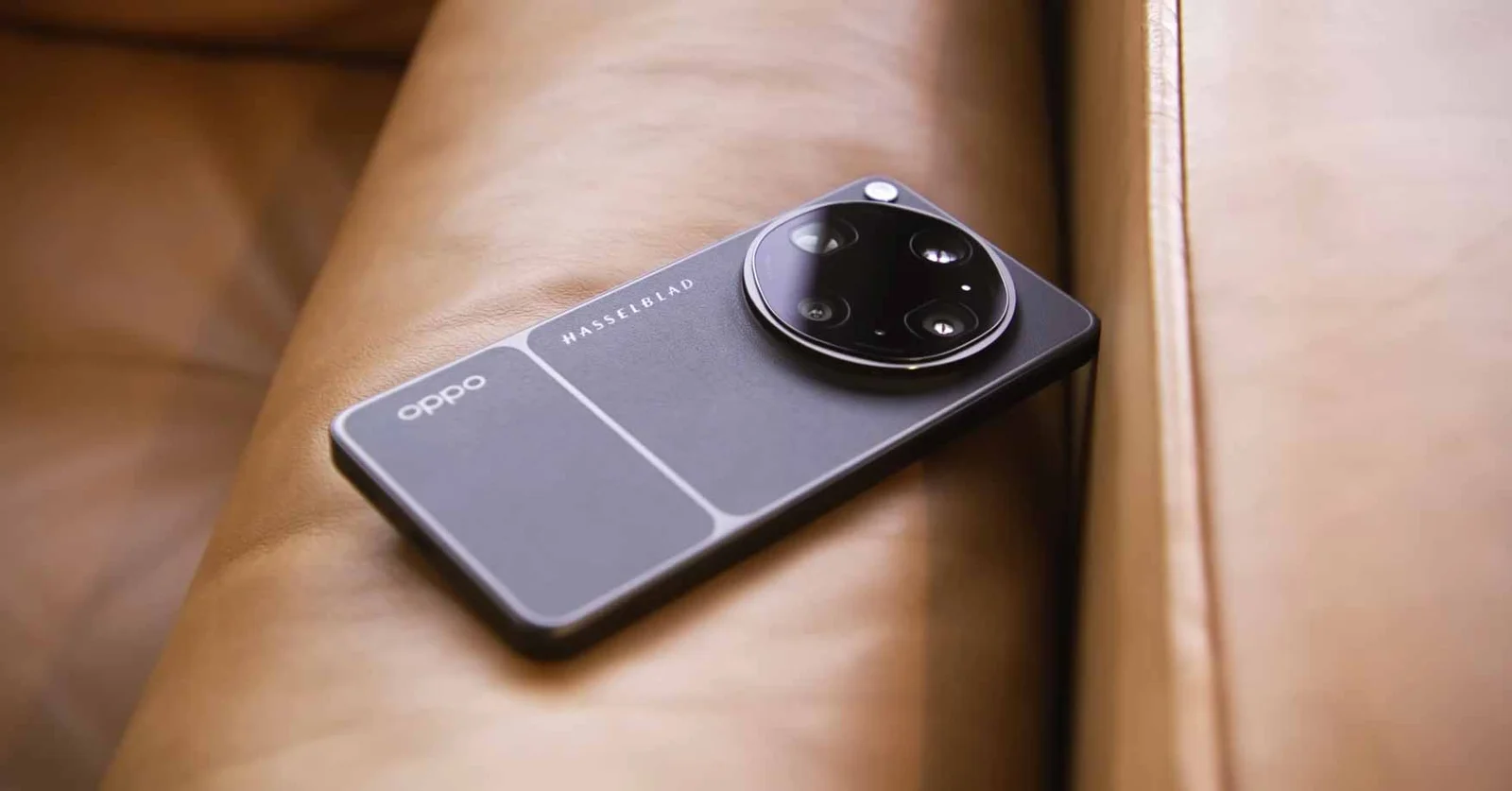
The Perfection of the Infinite Display
When we evaluate the Oppo Find X9 Ultra, the first thing that strikes us is the display technology. We have moved past the era of gimmicky curved edges that caused accidental touches and distorted light. The industry has collectively agreed upon the large, flat, ultra-bright OLED as the gold standard. This device features a panel that pushes 4,000 nits of peak brightness, making it legible under the harshest midday sun in the desert.

The refresh rate, now a standard 1Hz to 144Hz LTPO transition, is so fluid that it mimics the movement of physical paper. With bezels that have effectively vanished, the “achieved” status of the display means that human eyes can no longer discern individual pixels or perceive any lag in input. We are no longer looking for “better” screens; we are looking at the limit of human perception.
The Revolution of Silicon Carbon Battery Density
Historically, the “battery anxiety” phenomenon was the greatest hurdle for power users. We lived in a world where 5,000 mAh was considered the ceiling. However, the Oppo Find X9 Ultra utilizes a 7,000 mAh silicon-carbon battery. This is a monumental shift in chemistry that enables higher energy density without increasing the device’s physical footprint.
In our testing, this delivers a legitimate 2-day battery life under heavy professional use. Even with high-resolution video recording and constant 5G connectivity, the device’s efficient internal circuitry keeps it cool. The era of carrying power banks is officially over. When a phone can comfortably outlast its user’s waking hours, that specific pillar of development has been successfully conquered.
Sustained Performance and Thermal Management
The silicon powering the Find X9 Ultra is no longer just about raw benchmarks. While the computational power is staggering—capable of handling real-time 8K video rendering—the real triumph is in sustained performance. In previous years, phones would throttle their speed to prevent overheating. We now see a cooling architecture that uses aerospace-grade vapor chambers to maintain peak clock speeds indefinitely.
Whether we are multitasking between intensive data analytics or high-fidelity gaming, the experience remains consistent and responsive. The software has reached a state of “invisible utility,” where the OS anticipates user intent, making the interface feel like an extension of the mind rather than a tool being operated.
Industrial Design and IP69 Durability
The build quality of a flagship in 2026 is a masterclass in materials science. The Oppo Find X9 Ultra is constructed from a specialized titanium alloy and ceramic-infused glass that is virtually immune to the micro-scratches that plagued older models. More importantly, the integration of IP69 dust- and water-resistance means the device can withstand high-pressure hot-water jets.
We are no longer babying our electronics. The phone has become a rugged, impermeable slab of tech that feels dense, premium, and intentional. Every button click provides a haptic response so precise that it feels mechanical. This level of craftsmanship signals that the smartphone’s physical evolution has reached its final, most durable state.
The Camera Dilemma and Computational Mastery
If there is one area where the battle continues, it is the camera system. The Find X9 Ultra features a quad-periscope arrangement that attempts to defy the laws of physics. However, as we analyze the images, we must acknowledge the divide between versatility and professional quality.
Smartphone cameras today act as a “self-moving basketball hoop.” Through massive AI processing, the phone ensures that every photo is a “hit.” It corrects for shaky hands, poor lighting, and even subjects that are out of focus. It is designed to make the amateur look like a pro. Yet, the laws of physics dictate that a small sensor will never truly replicate the optical bokeh and dynamic range of a full-frame professional camera. We have reached a point where the phone is “good enough” for 99% of human experiences, but the “deliberate” camera remains a separate tool for the artist.
Smartphones as the Laptops of the New Era
We see a striking parallel between the current state of smartphones and the evolution of the laptop. Just as the MacBook reached a “peak” form years ago, where changes became subtle, the Oppo Find X9 Ultra represents that same plateau for mobile. It is a device that can do everything—it is our bank, our cinema, our office, and our connection to the world.
While manufacturers try to push specialized cases and lens attachments to make the phone feel like a professional DSLR, its true strength is its all-in-one convenience. Like an iPad trying to be a laptop, the phone can emulate professional hardware with incredible accuracy, but its soul remains in its portability and accessibility.
Frequently Asked Questions
1. What does “Peak Slab Phone” actually mean?
It refers to the point at which traditional smartphone design (the flat rectangle) has reached its hardware limits, and further upgrades offer diminishing returns for users.
2. How does the 7,000 mAh battery fit in a standard-sized phone?
Oppo uses silicon-carbon battery technology, which provides much higher energy density than traditional lithium-ion batteries, allowing for greater capacity in the same physical space.
3. Is the Oppo Find X9 Ultra waterproof?
Yes, it carries an IP69 rating, which is a step above the standard IP68, offering protection against high-pressure water and steam.
4. Can the camera really replace a DSLR?
While it is the most versatile mobile camera ever, it uses computational photography to mimic professional looks. For professional, high-end optical work, dedicated cameras still hold a physical advantage.
5. What is the benefit of a flat display over a curved one?
Flat displays offer better durability, eliminate accidental edge touches, and provide a more uniform viewing experience without glare or distortion.
6. Does the phone support fast charging?
Yes, the X9 Ultra typically features SuperVOOC charging, which can replenish the massive 7,000 mAh battery in under 30 minutes.
7. How does AI improve the camera experience?
AI acts as a “safety net,” adjusting exposure, focus, and shutter speed in real-time to ensure that even a quick snapshot looks like a balanced, professional photo.
8. Is the titanium frame just for show?
No, the titanium alloy provides a much higher strength-to-weight ratio than aluminum, making the phone lighter yet significantly more resistant to drops and bends.
9. Why is performance considered “settled”?
Modern flagship chips are so powerful that they exceed the requirements of almost all mobile apps, delivering a lag-free experience that won’t degrade for many years.
10. Should I upgrade from a 2024 or 2025 flagship?
If you value multi-day battery life and the absolute best in durability and screen brightness, the jump to the X9 Ultra is significant, as it represents the “final version” of this tech.
The Future Beyond the Slab
As we stand at the peak of the “Slab” era, we have to ask: what comes next? If the screen, battery, and build are perfected, the only remaining frontier is form factor—foldables, rollables, or perhaps the transition to AR-driven interfaces. But for the classic smartphone, the Oppo Find X9 Ultra is the definitive closing chapter of a twenty-year story. It is the most reliable, powerful, and capable tool ever put into a human pocket.

Selva Ganesh is a Computer Science Engineer, Android Developer, and Tech Enthusiast. As the Chief Editor of this blog, he brings over 10 years of experience in Android development and professional blogging. He has completed multiple courses under the Google News Initiative, enhancing his expertise in digital journalism and content accuracy. Selva also manages Android Infotech, a globally recognized platform known for its practical, solution-focused articles that help users resolve Android-related issues.





Leave a Reply